
Understanding Advanced Biomarker Testing and What It Reveals About Long-Term Wellness
Blood pressure, cholesterol, blood sugar, and inflammation markers have become part of everyday health discussions. Growing public interest in longevity, preventive medicine, and personalized healthcare has pushed advanced biomarker testing into wider use. People now track sleep, exercise, heart rate variability, and metabolic indicators through apps and wearable devices. At the same time, medical clinics are expanding beyond standard annual laboratory panels to offer more detailed evaluations of hormonal balance, nutrient levels, cardiovascular risk, inflammation, and biological aging.
Public demand for personalized health insights has also increased interest in services connected to precision diagnostics at Good Gene. Clinics focused on preventive wellness often combine expanded biomarker analysis with physician-guided interpretation, lifestyle planning, and ongoing monitoring. This approach reflects a broader shift in medicine where patients seek earlier detection of health risks rather than waiting for symptoms to appear.
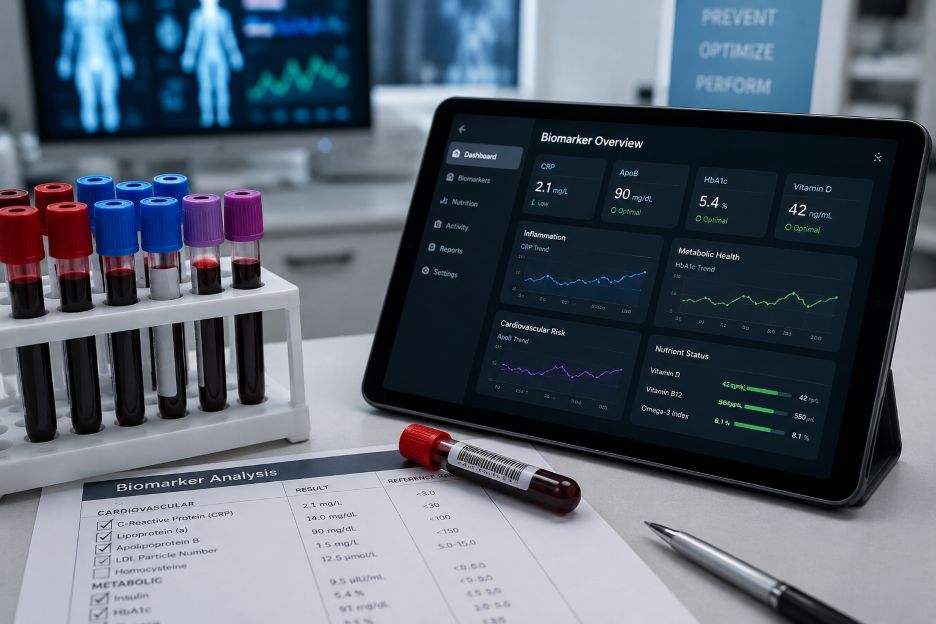
The Appeal of Advanced Biomarker Testing
Traditional laboratory testing typically focuses on diagnosing active disease. Standard panels may identify diabetes, high cholesterol, kidney problems, or liver dysfunction after measurable changes occur. Advanced biomarker testing attempts to go further by identifying patterns linked to future health risks or physiological changes that develop gradually over time.
Research published by The Lancet Healthy Longevity suggests that preventive monitoring may help improve long-term outcomes by identifying modifiable risk factors earlier in life. Many expanded panels now include markers related to inflammation, cardiovascular health, metabolic function, hormone regulation, micronutrient status, and immune response.
Some commonly discussed biomarkers include:
- C-reactive protein (CRP) for inflammation
- Apolipoprotein B (ApoB) for cardiovascular risk
- Hemoglobin A1c for long-term glucose regulation
- Vitamin D for bone and immune health
- Insulin levels for metabolic health
- Hormonal markers such as testosterone, estrogen, or cortisol
- Homocysteine levels linked to cardiovascular function
Data from the Centers for Disease Control and Prevention indicates that chronic illnesses such as heart disease, diabetes, and obesity remain leading causes of mortality worldwide. Because many chronic conditions develop over years or decades, early monitoring has become increasingly attractive to patients interested in long-term wellness planning.
The Case for Personalized Health Data
Supporters of advanced testing argue that broader biomarker analysis can encourage more proactive healthcare decisions. A person with normal cholesterol may still show elevated ApoB levels, which some cardiologists consider a more precise indicator of cardiovascular risk. Someone with normal fasting glucose might still demonstrate insulin resistance patterns associated with future metabolic disease.
Experts from The American Heart Association note that certain advanced lipid markers can provide additional insight into cardiovascular risk profiles, especially in patients with family histories of heart disease or metabolic disorders.
Detailed laboratory testing may also help personalize lifestyle interventions. Nutrition adjustments, exercise programs, sleep optimization, and stress management strategies can sometimes be tailored using measurable physiological data rather than generalized recommendations alone.
Many patients find that objective health metrics increase motivation. Seeing improvements in inflammation markers or metabolic indicators over time can reinforce behavioral changes. This measurable feedback loop has become part of the appeal of preventive wellness programs.
Concerns About Over-Testing and Interpretation
Despite growing popularity, advanced biomarker testing remains debated within parts of the medical community. Critics argue that expanded testing can sometimes create unnecessary anxiety, particularly when results fall slightly outside reference ranges without clear clinical significance.
Medical specialists frequently emphasize that biomarkers are tools, not definitive predictions. Elevated inflammation markers, for example, may result from temporary illness, stress, exercise, or minor infections. Hormonal fluctuations may vary naturally based on age, sex, sleep patterns, or medication use.
The Mayo Clinic and other major health organizations caution against interpreting laboratory results without appropriate clinical context. Numbers alone do not always reflect disease presence or future outcomes.
False positives also remain a concern. Broader testing panels increase the likelihood of finding irregularities that may never lead to meaningful health problems. Additional imaging, consultations, or repeat testing can increase healthcare costs and emotional stress.
Another limitation involves the evolving science behind longevity-focused biomarkers. Biological age testing, telomere measurements, and certain epigenetic markers continue to be studied. Researchers still debate how accurately some of these indicators predict lifespan or disease progression.
The Growth of Preventive and Longevity Medicine
Preventive medicine has gradually expanded beyond annual physical exams and routine screenings. Modern wellness clinics increasingly combine laboratory analysis with nutrition counseling, fitness planning, sleep assessment, and behavioral health strategies. Broader discussions around preventive care also increasingly include mind-body strategies for long-term mental wellness, reflecting growing interest in how stress management, emotional health, and physical health interact over time.
Data from McKinsey & Company shows that consumers are spending more on wellness-related services globally, especially those tied to personalized health optimization and healthy aging.
Clinics that specialize in preventive care often position biomarker testing as part of a broader healthspan strategy. Healthspan refers to the number of years a person remains healthy and functional rather than simply the total years lived.
Expanded diagnostics may be used to monitor:
- Cardiovascular risk progression
- Metabolic flexibility
- Inflammatory patterns
- Nutritional deficiencies
- Hormonal changes associated with aging
- Recovery and stress response
- Lifestyle intervention effectiveness
Supporters believe this data-driven approach can help patients make earlier adjustments that reduce long-term disease burden. Critics counter that evidence supporting some longevity interventions remains incomplete and that healthcare resources should prioritize established preventive measures such as vaccinations, smoking cessation, exercise, and blood pressure management.
The Importance of Physician Oversight
One of the strongest arguments shared across both supporters and skeptics is the importance of physician involvement. Advanced biomarker testing becomes significantly more useful when interpreted alongside medical history, symptoms, family background, medications, and lifestyle factors.
Doctors may identify patterns that patients could easily misunderstand on their own. A mildly elevated marker may require monitoring rather than aggressive treatment. Conversely, combinations of smaller abnormalities may reveal early warning signs that deserve further evaluation.
Harvard Medical School experts note that preventive healthcare works best when screening decisions are individualized rather than driven by generalized trends or social media health advice.
Context matters heavily in biomarker interpretation. Athletes, older adults, menopausal women, people under chronic stress, and patients managing existing conditions may all show different laboratory patterns that require nuanced analysis.
Responsible preventive care therefore depends on communication between patients and qualified healthcare professionals. Expanded testing should ideally support clinical decision-making rather than replace it.
Balancing Expectations With Evidence
Advanced biomarker testing continues to evolve as technology improves and public interest in healthy aging grows. Expanded laboratory analysis can provide valuable insights into cardiovascular health, metabolic patterns, inflammation, and lifestyle-related risk factors. For some patients, these tools encourage earlier intervention and stronger engagement with long-term wellness habits.
At the same time, laboratory data has limitations. Biomarkers cannot fully predict future disease, guarantee longevity, or replace comprehensive medical care. Some findings remain difficult to interpret, while certain emerging tests still require stronger long-term evidence.
The broader movement toward preventive and personalized healthcare will likely continue expanding as consumers seek more detailed information about their bodies and long-term health risks. Clinics focused on precision medicine and wellness monitoring are becoming part of that larger healthcare conversation.
Balanced expectations remain essential. Advanced diagnostics may offer meaningful guidance when combined with physician oversight, evidence-based medicine, and realistic health goals. Patients who approach biomarker testing as one component of a broader wellness strategy are often better positioned to use the information constructively rather than viewing individual numbers as definitive answers about future health.