
How Scalp Health Influences Hair Growth and Everyday Hair Care Habits
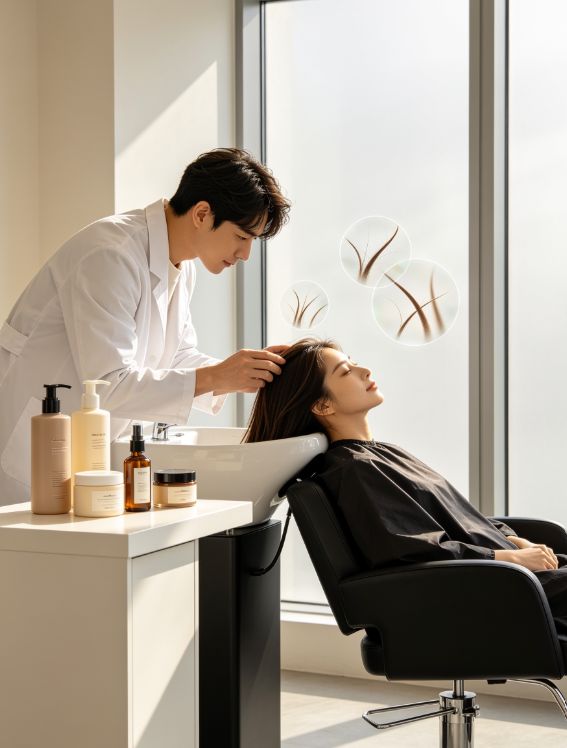
The American Academy of Dermatology Association explains that the average scalp contains around 100,000 hair follicles, each depending on a healthy environment to support normal hair growth. A stylist once remarked that many clients arrive searching for the perfect shampoo, only to discover that the real conversation begins with the scalp. While visiting a hair salon Winter Garden, individuals may also learn about personalized scalp care routines alongside everyday hair services, highlighting how healthy hair often starts beneath the surface rather than with styling products alone.
Many people naturally focus on what they can see. They compare conditioners, experiment with serums, and invest in styling tools, hoping to improve the appearance of their hair. Yet the condition of the scalp is frequently overlooked, even though it provides the environment where every strand begins.
Like fertile soil supporting a healthy garden, the scalp creates the foundation that allows hair follicles to function properly. When dryness, irritation, excess oil, or product buildup disrupt that balance, hair may lose some of its natural shine, softness, and overall appearance. Understanding these common concerns makes it easier to develop habits that support healthier hair over time.
The Quiet Foundation Beneath Every Strand
Hair follicles live beneath the surface of the scalp, where they rely on healthy skin and an appropriate balance of moisture and oil. Research published by the National Institutes of Health (NIH) shows that the condition of the scalp influences the environment surrounding hair follicles, making scalp health an important part of maintaining normal hair growth.
The scalp serves as more than a place where hair grows. It acts as a protective barrier that helps defend against environmental stress while supporting beneficial microorganisms that naturally live on the skin. Maintaining this balance contributes to overall scalp comfort and resilience.
Circulation also plays an important role. Healthy blood flow helps deliver oxygen and nutrients to the tissues supporting hair follicles. While massage alone does not guarantee faster hair growth, experts note that a healthy scalp environment supports normal follicle function as part of the body’s natural growth cycle.
Healthy-looking hair therefore begins with healthy skin. Styling products may improve appearance temporarily, but they cannot replace a well-maintained scalp.
Small Scalp Problems Can Create Bigger Hair Concerns
Dry Scalp
Dryness is one of the most common scalp complaints. Cold weather, indoor heating, frequent washing, harsh cleansers, and naturally dry skin may all reduce the scalp’s moisture levels.
A dry scalp often feels tight or itchy and may produce visible flakes. Research from the American Academy of Dermatology Association explains that dry scalp and dandruff are different conditions, even though they may appear similar. Persistent dryness can affect comfort and make hair appear dull or less manageable.
Excess Oil Production
Natural oils protect both the scalp and hair, but excessive sebum can become problematic when combined with sweat, pollution, and styling products. Hair may appear greasy shortly after washing, while buildup can leave the scalp feeling less refreshed.
Because oil production varies greatly between individuals, washing frequency should reflect personal scalp needs rather than social media trends or rigid schedules.
Irritation and Sensitivity
Environmental conditions, fragrance ingredients, allergens, and harsh hair products may contribute to irritation. Redness, tenderness, and itching often signal that the scalp’s protective barrier has become disrupted.
The National Eczema Association emphasizes that protecting the skin barrier is an important part of reducing irritation and maintaining healthy skin, including the scalp.
Product Buildup
Styling creams, dry shampoos, sprays, and even minerals found in hard water can gradually accumulate. Although these products serve useful purposes, residue may prevent the scalp from feeling completely clean when not removed regularly.
A balanced cleansing routine helps remove buildup without stripping away the scalp’s natural protective oils.
Everyday Habits That Make a Lasting Difference
Healthy scalp care rarely depends on expensive treatments. Consistent daily habits often provide the greatest long-term benefits.
Choosing shampoo based on scalp condition rather than hair length is a practical first step. Someone with an oily scalp may require a different cleansing routine than someone experiencing dryness or sensitivity.
Gentle cleansing is equally important. Scrubbing aggressively can irritate the skin, while a light massage with the fingertips helps remove oil and residue more comfortably.
Hydration also contributes to overall skin health. Research supported by the Harvard T.H. Chan School of Public Health highlights the importance of adequate hydration as part of maintaining healthy body tissues, including the skin.
Reducing excessive heat exposure can also help preserve scalp comfort. Blow dryers and hot styling tools should be used thoughtfully, especially when positioned close to the scalp.
Simple habits such as regularly cleaning brushes, combs, and styling tools also reduce the transfer of oils, residue, and debris back onto freshly washed hair.
Healthy Hair Reflects More Than Hair Care Products
Hair health extends beyond the bathroom shelf. Nutrition, hydration, sleep quality, and stress management all contribute to the body’s ability to maintain healthy skin and hair. These everyday habits reinforce the importance of healthy lifestyle choices, which support overall wellness alongside consistent hair and scalp care.
The British Association of Dermatologists explains that balanced nutrition provides essential nutrients involved in normal hair growth. Protein, iron, zinc, and several vitamins all support healthy biological processes related to hair production.
Stress also deserves attention. Experts at the Mayo Clinic note that significant physical or emotional stress may contribute to temporary forms of hair shedding in some individuals.
Adequate sleep allows the body to carry out repair processes that support overall skin health. When combined with appropriate topical care, healthy lifestyle habits create a stronger foundation for long-term scalp wellness.
When Another Perspective Can Be Helpful
Some scalp concerns improve with routine care, while others continue despite careful attention. Persistent itching, severe flaking, pain, or sudden hair loss should always be evaluated by a qualified healthcare professional or board-certified dermatologist.
Salon professionals can also provide valuable observations during routine appointments. They may identify visible signs of dryness, buildup, or sensitivity and recommend practical adjustments to cleansing routines, product selection, or styling habits based on individual scalp needs.
These conversations often help people better understand how their everyday routines affect the health of both their scalp and hair.
Looking Beyond Quick Fixes
Hair trends change constantly. One season introduces a new ingredient, while another promotes a different routine as the answer to every concern. Scalp health rarely follows those fast-moving patterns.
Long-term care depends on consistency. Monitoring seasonal changes, adjusting products when necessary, and paying attention to how the scalp responds over time often produce more meaningful results than frequently switching products.
Occasional professional guidance, combined with thoughtful home care, allows routines to evolve naturally instead of following temporary trends.
Healthy-looking hair begins long before the finishing spray or final brushstroke. Dryness, excess oil, irritation, and buildup all influence the environment where every strand develops. Giving the scalp the same level of attention as the hair itself encourages healthier habits that last far beyond cosmetic improvements. Over time, the most noticeable changes often come from caring for what remains hidden rather than focusing only on what appears in the mirror.